- No products in the cart.





















 FREE SHIPPING
CNC Machine Tooling: How to Choose the Right Tool Holders, Collets and Accessories


23
Oct
CNC Machine Tooling: How to Choose the Right Tool Holders, Collets and Accessories
A CNC machine may be capable of producing components within tight tolerances, but that does not guarantee every machined part will meet the required accuracy.
A machine shop can have a well-maintained VMC, a suitable cutting tool and a correctly programmed machining cycle—yet still experience chatter, poor surface finish, inconsistent dimensions or premature tool wear.
The problem may not be the CNC machine itself.
It could be the tooling assembly connecting the cutting tool to the spindle.
CNC machine tooling includes the tool holders, collets, clamping components and supporting accessories used to secure cutting tools or workpieces during machining. Selecting compatible, accurately manufactured tooling helps maintain cutting stability, reduce avoidable runout and support consistent machining performance.
But which tooling system should you choose for milling, drilling, tapping or turning?
This guide explains the different types of CNC machine tooling, where they are used, and the technical factors to check before purchasing tooling for your workshop.
What Is CNC Machine Tooling?
CNC machine tooling refers to the cutting tools, tool-holding systems, workholding components and accessories used in computer numerical control machining.
A typical milling setup contains several connected elements:
Machine spindle → Tool holder → Collet or clamping mechanism → Cutting tool → Workpiece
Each component has a specific function.
The spindle provides rotation. The tool holder connects the cutting assembly to the machine. A collet or another clamping mechanism secures the cutting tool. Workholding components keep the workpiece positioned during machining.
A problem at any connection can affect the overall setup.
For example, even a high-quality end mill may not perform consistently if the collet is worn, the tool holder is damaged or the assembly has excessive runout.
That is why tooling selection should be treated as an important machining decision rather than simply an accessory purchase.
Main Types of CNC Machine Tooling
Different machining operations require different tooling arrangements.
The following are commonly used categories in CNC machining.
1. CNC Tool Holders
CNC tool holders connect cutting tools to the machine spindle and help maintain the rigidity and alignment of the cutting assembly.
They are selected according to the machine spindle interface, cutting operation, tool diameter, spindle speed and required accuracy.
Common tool holder types include:
- ER collet holders
- Side-lock end mill holders
- Hydraulic tool holders
- Shrink-fit holders
- Face mill holders
- Power milling holders
- Quick-change tapping holders
When are tool holders important?
Consider a VMC performing a milling operation on a steel component.
If the holder has excessive projection or insufficient rigidity for the cutting load, the setup may become more susceptible to vibration.
Choosing the appropriate holder and minimizing unnecessary tool overhang can help improve cutting stability.
Explore: CNC Tool Holders
2. Precision ER Collets
ER collets are widely used for gripping cylindrical cutting-tool shanks in compatible collet chucks.
They are commonly used in milling, drilling, reaming and suitable tapping applications.
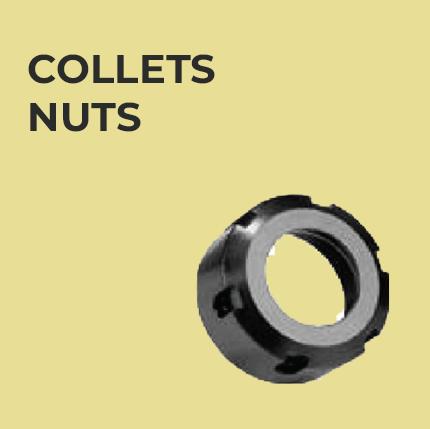
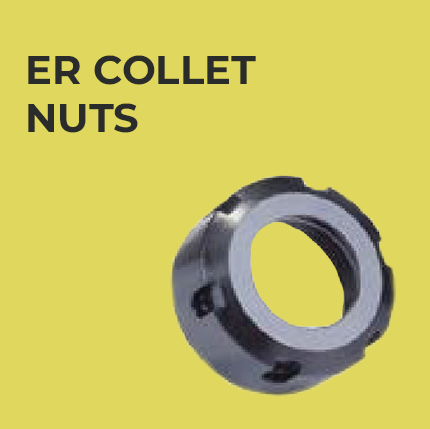
An ER collet compresses around the tool shank as the collet nut is tightened.
Correct collet selection helps maintain consistent clamping and tool alignment.
When selecting an ER collet, check:
- ER series compatibility
- Tool shank diameter
- Required runout accuracy
- Suitable clamping range
- Collet and nut condition
- Manufacturer-recommended tightening procedure
ACCU-FIX offers standard, high-precision and ultra-precision ER collet options, with published accuracy grades below 15, 10 and 5 microns respectively.
The specified grade should be selected according to the machining requirements and verified against the relevant product documentation.
Explore: ER Collets for CNC Machines
3. ER Collet Holders
An ER collet holder combines a machine-compatible holder body with an ER collet and nut assembly.
These holders are versatile because compatible collets can accommodate different cutting-tool shank sizes.
They are used for applications such as drilling, milling and reaming.
However, not every ER collet holder is suitable for every spindle speed or cutting load.
Before selecting a holder, check its taper, gauge length, balance specification, compatible collet series and recommended application.
For example, a BT40 holder cannot be selected for a BT30 spindle simply because both use ER collets.
Explore: ER Collet Holders
4. Hydraulic and Shrink-Fit Tool Holders
Hydraulic and shrink-fit holders are used where consistent tool clamping, concentricity and assembly characteristics are important.
Hydraulic holders use a hydraulic clamping mechanism to grip the cutting-tool shank.
Shrink-fit holders use controlled heating to expand the holder bore for tool insertion. The holder then contracts as it cools, securing the tool.
These systems can be suitable for precision machining, but they have different operational requirements.
Shrink-fit tooling requires suitable heating equipment and correct handling procedures.
Hydraulic holders must be used within their specified clamping range and operating limits.
Neither system should be assumed to be universally superior.
The right choice depends on tool geometry, machining load, required accessibility, spindle conditions and operating procedures.
5. Pull Studs and Retention Knobs
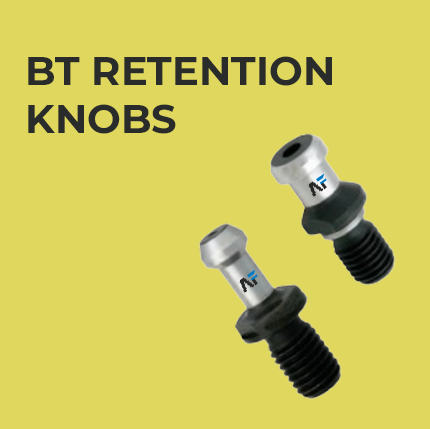
Pull studs, also called retention knobs, are used with compatible tool-holder and machine drawbar systems.
They are important for secure spindle engagement and reliable tool changing.
A pull stud that looks similar to another model may still have different dimensions or thread specifications.
Incorrect selection can create serious machine safety risks.
Always confirm the machine manufacturer's requirements and the exact retention-knob specification before installation.
6. CNC Jaws and Workholding Accessories
Tool holding and workholding are related but different functions.
While tool holders secure the cutting tool, workholding components secure the material being machined.
CNC jaws are commonly used in turning applications to grip workpieces.
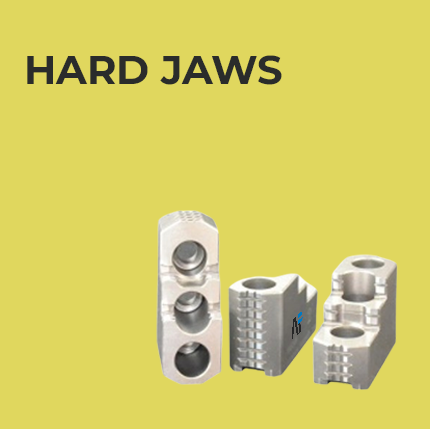
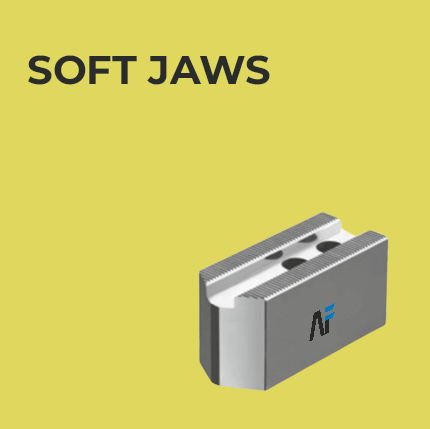
Hard jaws are generally used for durable gripping applications, while soft jaws can be machined to suit particular workpiece geometries.
The correct jaw setup depends on component shape, clamping requirements, machine compatibility and cutting forces.
Improper workholding can contribute to dimensional variation, poor repeatability or unsafe machining conditions.
Which CNC Machine Tooling Should You Use for Different Operations?
| Machining operation | Common tooling options | Important selection factors |
| CNC milling | ER, side-lock, hydraulic, shrink-fit holders | Rigidity, runout, tool projection |
| CNC drilling | ER collet holders and suitable drill holders | Concentricity, drill diameter, coolant |
| Reaming | Precision collet or suitable hydraulic holders | Runout, alignment, tool condition |
| CNC tapping | Tapping collets and tapping holders | Tap size, compensation, synchronization |
| Face milling | Face mill holders | Arbor compatibility, torque, rigidity |
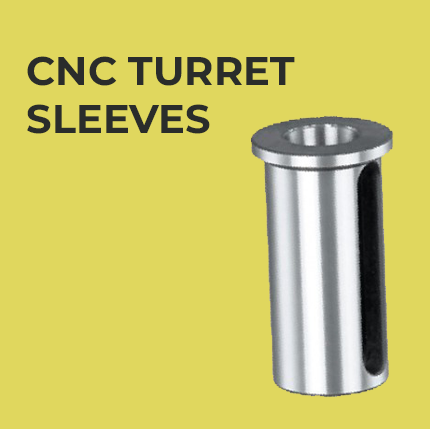
| CNC turning | Jaws, turret sleeves and suitable holders | Clamping force, tool position, clearance |
| High-speed machining | Suitably balanced precision holders | RPM rating, assembly balance, runout |
This table provides general guidance. Final tooling selection should follow the machine, cutting-tool and holder manufacturers' specifications.
How to Select the Right CNC Machine Tooling: Seven Technical Checks
Check 1: Machine Spindle Compatibility
Start with the machine spindle interface.
A BT30, BT40, HSK or other spindle interface requires a compatible holder.
The taper and retention mechanism must match the machine specification.
Do not select a holder based only on the cutting-tool diameter.
Check 2: Cutting Tool Diameter and Shank Type
Check whether the cutting tool has a cylindrical shank, Weldon flat or another specified interface.
A side-lock holder and an ER collet holder use different clamping methods.
The cutting tool and holder must be compatible.
Check 3: Required Machining Accuracy
Runout is an important consideration in precision machining.
Excessive runout can cause unequal cutting-edge loading, affecting surface finish and tool wear.
For precision applications, evaluate the complete tooling assembly rather than relying only on an individual component's accuracy specification.
Check 4: Tool Holder Projection Length
Longer tool projection can reduce system rigidity and increase susceptibility to deflection and vibration.
Use the shortest practical setup that provides the required machining clearance.
Check 5: Spindle Speed and Balance
High-speed machining requires attention to holder balance, rated operating speed and the condition of the complete assembly.
A holder's balance specification does not automatically mean every tool-and-holder combination is suitable for the same RPM.
Follow the manufacturer's operating limits.
Check 6: Coolant Requirements
Some machining operations require through-tool coolant or specialized coolant delivery.
Select holders and collets compatible with the required coolant method and operating pressure.
Check 7: Tooling Condition and Maintenance
Even correctly selected tooling can lose performance through wear or damage.
Inspect collets, nuts, tapers and clamping surfaces regularly.
Replace damaged components and follow the manufacturer's maintenance instructions.
CNC Tooling Selection Example: A VMC Machining Precision Steel Components
Consider a workshop producing precision steel components using a vertical machining center.
The process includes drilling, rough milling and finishing.
The workshop experiences inconsistent surface finish during finishing operations.
Instead of immediately replacing the end mill, the operator should examine the complete setup.
Possible checks include:
- Is the holder correctly matched to the spindle?
- Is the collet suitable for the cutting-tool shank?
- Are the collet and holder clean and undamaged?
- Is measured runout within the required limit?
- Is the tool projection unnecessarily long?
- Are spindle speed and feed suitable for the tool and material?
- Is the workpiece securely clamped?
The cause could be tooling, cutting parameters, workholding, machine condition or a combination of factors.
This structured approach can help identify the problem before purchasing replacement components.
Five CNC Tooling Mistakes That Can Increase Machining Costs
Mistake 1: Selecting Tooling Only by Price
The lowest purchase price does not necessarily provide the lowest operating cost.
Consider accuracy, service life, suitability and replacement frequency.
Mistake 2: Ignoring Collet Wear
A damaged or worn collet can affect gripping and alignment.
Regular inspection is essential.
Mistake 3: Using an Incorrect Holder Interface
Spindle and holder compatibility must be confirmed before installation.
Mistake 4: Ignoring Assembly Runout
Even individually accurate components can produce an unsuitable assembly if incorrectly installed or damaged.
Mistake 5: Using One Tooling System for Every Application
Roughing, finishing, drilling and tapping can have different clamping requirements.
Tooling should be selected according to the operation.
Buying CNC Machine Tooling in India: What Should Procurement Teams Check?
Before ordering CNC tooling for a workshop or manufacturing facility, prepare the following information:
- CNC machine make and model
- Spindle interface and retention requirements
- Tooling category and dimensions
- Cutting-tool shank diameter
- Machining operation and material
- Required accuracy
- Operating speed
- Coolant requirements
- Quantity and delivery requirements
For bulk procurement, request product specifications and confirm compatibility before finalizing the order.
This can reduce incorrect purchases and unnecessary production delays.
CNC Machine Tooling from ACCU-FIX Precision Tools
ACCU-FIX Precision Tools Pvt. Ltd., based in Vadodara, Gujarat, manufactures and supplies precision tooling and accessories for CNC machining applications.
Its product range includes precision collets, CNC tool holders, pull studs, turret sleeves, revolving and dead centers, CNC jaws and related accessories.
The company focuses on tooling components used with CNC machines rather than manufacturing complete CNC machines.
Manufacturers, machine shops, tool rooms and industrial buyers can explore its product categories and compare available specifications.
Explore CNC Tooling Products
CNC Tool Holders: https://accufixtools.com/collections/tool-holder
Precision ER Collets: https://accufixtools.com/collections/er-collet
ER Collet Holders: https://accufixtools.com/collections/er-collet-holders
All Tooling Categories: https://accufixtools.com/collections
Need Help Selecting CNC Tooling?
Share your machine spindle type, cutting-tool diameter, machining application and accuracy requirements with the ACCU-FIX team.
Explore CNC Tooling | Request Product Assistance
Frequently Asked Questions About CNC Machine Tooling
1. What is CNC machine tooling?
CNC machine tooling includes cutting tools, tool holders, collets, workholding components and supporting accessories used for CNC machining operations.
2. What are the main types of CNC tooling?
Common categories include cutting tools, ER collets, CNC tool holders, pull studs, tapping holders, turret sleeves, CNC jaws and other workholding accessories.
3. What is the difference between a CNC tool holder and a collet?
A tool holder connects the cutting-tool assembly to the machine spindle. A collet is a clamping component that grips a compatible cutting-tool shank or, in some applications, a workpiece.
4. Which tool holder is best for CNC milling?
The best holder depends on the spindle interface, cutting-tool shank, machining load, spindle speed, required accuracy and tool projection. ER, side-lock, hydraulic and shrink-fit holders are suitable for different applications.
5. Why is runout important in CNC machining?
Excessive runout can create unequal cutting-edge loading, dimensional variation, poor surface finish and premature tool wear.
6. Can the same ER collet be used for drilling and milling?
An appropriately selected ER collet may be used for both operations when the tool diameter, holder, clamping requirements and machining conditions are compatible.
7. How do I select CNC machine tooling for a VMC?
Confirm the spindle interface, tool shank, machining operation, holder dimensions, required accuracy, operating speed and coolant requirements.
8. Where can I buy CNC machine tooling in India?
Industrial buyers can purchase CNC tooling from specialist manufacturers, suppliers and distributors. ACCU-FIX Precision Tools offers CNC collets, holders and related accessories through its website.
Conclusion
Selecting CNC machine tooling is not simply a matter of finding a holder that fits the cutting tool.
Spindle compatibility, clamping method, runout, rigidity, operating speed, coolant delivery and maintenance all influence the suitability of a tooling assembly.
Understanding these factors helps machine shops choose components more confidently and troubleshoot machining problems systematically.
For manufacturers looking for precision collets, tool holders and CNC tooling accessories in India, ACCU-FIX provides product specifications and tooling options for a range of industrial machining applications.
Explore the ACCU-FIX CNC Tooling Collection: https://accufixtools.com/collections
Table of Content
- CNC Machine Tooling: How to Choose the Right Tool Holders
- Collets and Accessories
- What Is CNC Machine Tooling?
- Main Types of CNC Machine Tooling
- Which CNC Machine Tooling Should You Use for Different Operations?
- How to Select the Right CNC Machine Tooling: Seven Technical Checks
- CNC Tooling Selection Example: A VMC Machining Precision Steel Components
- Five CNC Tooling Mistakes That Can Increase Machining Costs
- Buying CNC Machine Tooling in India: What Should Procurement Teams Check?
- CNC Machine Tooling from ACCU-FIX Precision Tools
- Frequently Asked Questions About CNC Machine Tooling
- Conclusion
Why choose us?
Accu-Fix Precision Tools is an ISO-certified manufacturer and exporter in India delivering high-performance tools for industries like automotive, aerospace, and woodworking.
We offer a wide range of precision-engineered products like Collets, Tool Holders, Turret Sleeves, Jaws, Pull Studs, and Spanners.
- Premium materials & precision
- Trusted across industries
- ISO-certified quality
- Dedicated customer support
We deliver more than tools — we deliver reliability you can trust.
Related Products
Related Blogs

Why Taps Break in CNC Machines Even When Speed and...

What Are CNC Machine Tools? Types, Functions & Applications

Top-Rated CNC Tooling Suppliers for Precision Milling: What to Look...

CNC Machine Tools Manufacturer in India: Precision Tooling by ACCU-FIX

CNC Machine Tools: Types, Applications & How to Choose the...