- No products in the cart.






















 FREE SHIPPING
What Are CNC Machine Tools? Types, Functions & Applications


25
Sep
What Are CNC Machine Tools?
CNC stands for Computer Numerical Control.
A CNC machine uses programmed instructions to control machining operations such as cutting, milling, drilling, turning, boring and threading.
The term CNC machine tools can refer broadly to CNC-controlled machining equipment as well as the tooling systems used to perform machining operations.
Common CNC machining equipment includes:
- CNC milling machines
- CNC turning machines
- CNC lathes
- CNC machining centers
- CNC drilling machines
- CNC grinding machines
Inside these machines, different cutting tools and tool-holding systems are selected according to the material, machining operation and required accuracy.
How Do CNC Machine Tools Work?
A CNC machining process generally starts with a digital component design.
The design is converted into machining instructions that tell the CNC machine how the cutting tool should move.
A simplified workflow is:
CAD Design → CAM Programming → CNC Program → Tool Selection → Workpiece Setup → Machining → Inspection
During machining, the CNC system controls parameters such as:
- Tool movement
- Cutting direction
- Spindle speed
- Feed rate
- Cutting depth
- Tool changes
- Machining sequence
The cutting tool removes material from the workpiece until the required geometry is achieved.
Types of CNC Machine Tools
Different CNC machines are designed for different machining operations.
1. CNC Milling Machines
CNC milling machines use rotating cutting tools to remove material from a stationary or controlled workpiece.
Common milling operations include:
- Face milling
- Shoulder milling
- Slot milling
- Pocket milling
- Profile milling
- Contouring
- Drilling
- Thread milling
CNC milling is widely used for manufacturing components requiring complex geometries and accurate surfaces.
Common CNC Milling Tools
CNC milling operations can use:
- End mills
- Face mills
- Ball nose cutters
- Slot cutters
- Indexable milling cutters
- Chamfer cutters
The correct cutter depends on the workpiece material, machining strategy and required surface finish.
2. CNC Turning Machines
CNC turning machines rotate the workpiece while a cutting tool removes material.
Turning is commonly used for producing cylindrical components.
Typical operations include:
- External turning
- Internal turning
- Facing
- Grooving
- Threading
- Parting
- Boring
Industries use CNC turning for components such as shafts, bushes, pins, connectors and other rotational parts.
3. CNC Machining Centers
CNC machining centers combine multiple machining operations into a single setup.
Depending on the machine configuration, they may perform:
- Milling
- Drilling
- Tapping
- Boring
- Reaming
- Contouring
Automatic tool-changing systems allow the machine to switch between different cutting tools during a machining cycle.
VMC – Vertical Machining Center
A Vertical Machining Center has a vertically oriented spindle.
VMC machines are widely used for:
- Milling
- Drilling
- Tapping
- Die and mould work
- General component manufacturing
HMC – Horizontal Machining Center
A Horizontal Machining Center uses a horizontally oriented spindle.
HMCs can be suitable for high-production machining and components requiring machining from multiple sides.
4. CNC Drilling Machines
CNC drilling machines are designed to create accurate holes in components.
Common drilling operations include:
- Drilling
- Spot drilling
- Counterboring
- Countersinking
- Reaming
- Tapping
The correct drill geometry and cutting parameters depend on the material and hole requirements.
5. CNC Grinding Machines
CNC grinding machines use abrasive wheels to achieve precise dimensions and surface finishes.
Grinding is commonly used where very tight tolerances or fine surface finishes are required.
Applications include:
- Tool manufacturing
- Automotive components
- Aerospace components
- Precision engineering
- Die and mould manufacturing
Common CNC Cutting Tools
Selecting the correct cutting tool is essential for machining performance.
End Mills
End mills are commonly used in CNC milling.
They can perform operations such as:
- Slotting
- Profiling
- Pocketing
- Contouring
- Side milling
Different geometries and materials are available depending on the machining application.
Face Mills
Face milling cutters are used to machine flat surfaces.
They commonly use replaceable inserts and are available in different diameters and configurations.
Face mills are frequently used for:
- Surface preparation
- Rough machining
- Finishing
- High-productivity material removal
Drills
Drilling tools create holes in the workpiece.
Depending on the application, manufacturers may use:
- Solid carbide drills
- Indexable drills
- Replaceable-tip drills
- Center drills
- Spot drills
Tool selection depends on factors such as hole diameter, depth, workpiece material and required tolerance.
Boring Tools
Boring tools enlarge and finish existing holes.
They are used when greater dimensional accuracy or surface quality is required.
Fine boring tools can be particularly useful for precision hole machining.
Turning Tools
Turning tools are used on CNC lathes and turning centers.
Common turning tools include:
- External turning tools
- Internal turning tools
- Grooving tools
- Threading tools
- Parting tools
Replaceable carbide inserts are widely used for CNC turning operations.
Threading Tools
Threading tools are used to produce internal or external threads.
Depending on the operation, manufacturers may use:
- Threading inserts
- Thread mills
- Taps
- Threading holders
The right solution depends on thread type, size, material and production requirements.
CNC Tool Holders: Why Are They Important?
A cutting tool cannot perform consistently if it is not held correctly.
CNC tool holders create the connection between the machine spindle and the cutting tool.
Their job is to hold the cutting tool securely while maintaining the required accuracy and rigidity during machining.
Common tool holder systems include:
- ER collet chucks
- Hydraulic chucks
- Shrink-fit holders
- Milling chucks
- End mill holders
- Shell mill holders
- Drill chucks
- Tapping holders
- Boring holders
The appropriate holder depends on the machine spindle, cutting tool and machining application.
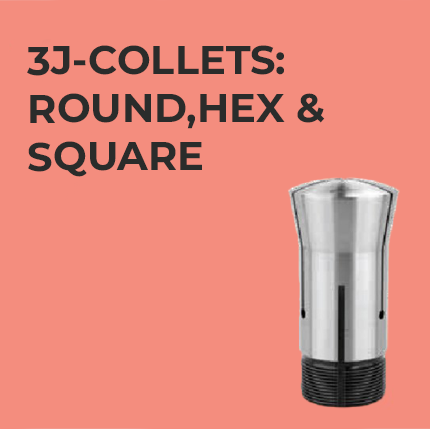
What Is a CNC Collet?
A collet is a precision clamping component used to hold a cutting tool or workpiece.
ER collets are widely used in CNC machining because they can accommodate different tool diameters within their specified clamping ranges.
Common ER collet series include:
- ER8
- ER11
- ER16
- ER20
- ER25
- ER32
- ER40
- ER50
Collet accuracy and condition can influence tool runout and machining performance.
CNC Machine Tool Functions
CNC machine tools perform different functions depending on the manufacturing requirement.
Cutting
Material is removed from the workpiece using an appropriate cutting tool.
Milling
Rotating cutting tools produce surfaces, slots, pockets and complex profiles.
Turning
A rotating workpiece is machined using a stationary or controlled cutting tool.
Drilling
Holes are produced at programmed locations.
Boring
Existing holes are enlarged or finished to achieve required dimensions.
Threading
Internal or external threads are produced using appropriate tooling.
Grooving
Narrow grooves are machined into a workpiece.
Facing
Material is removed to produce a flat surface.
Finishing
Final machining passes are used to achieve the required dimensional accuracy and surface finish.
Applications of CNC Machine Tools
CNC machining is used across numerous industries.
Automotive
CNC tools are used for machining:
- Engine components
- Transmission parts
- Shafts
- Brackets
- Housings
- Precision components
Aerospace
Aerospace machining requires high levels of accuracy and process control.
Applications include structural components, housings and precision mechanical parts.
Die & Mould
CNC machining is widely used for:
- Injection moulds
- Dies
- Mould cavities
- Inserts
- Precision profiles
General Engineering
Machine shops use CNC tools to manufacture a wide variety of custom and production components.
Medical
Precision CNC machining is used for selected medical components and manufacturing equipment where tight tolerances may be required.
Energy & Heavy Engineering
CNC machining is used to manufacture various components for industrial equipment, energy systems and heavy machinery.
Materials Machined Using CNC Tools
CNC tools can machine a wide range of materials, including:
- Mild steel
- Carbon steel
- Stainless steel
- Tool steel
- Cast iron
- Aluminium
- Copper
- Brass
- Titanium
- Nickel-based alloys
- Engineering plastics
However, one cutting tool or insert is not suitable for every material.
Tool geometry, coating, cutting speed and feed should be selected according to the workpiece material and machining conditions.
How to Choose the Right CNC Machine Tool
Choosing the correct tooling can affect productivity, tool life and component quality.
Consider the following factors.
Workpiece Material
The first consideration is the material being machined.
Machining aluminium requires different tooling considerations from machining hardened steel, stainless steel or cast iron.
Machining Operation
Determine whether you need:
- Milling
- Drilling
- Turning
- Boring
- Grooving
- Threading
- Finishing
Select tooling specifically designed for that operation.
Machine Spindle
The tool holder must be compatible with your machine spindle.
Common interfaces can include:
- BT
- CAT
- HSK
- ISO
- Other machine-specific systems
Always verify machine compatibility before selecting a holder.
Tool Diameter
The cutting tool diameter affects holder and collet selection.
Use the correct clamping range rather than forcing an unsuitable tool into the holder.
Required Accuracy
Precision machining applications may require tighter control of:
- Runout
- Balance
- Rigidity
- Tool projection
- Clamping accuracy
Cutting Parameters
Consider:
- Spindle speed
- Feed rate
- Depth of cut
- Coolant
- Tool overhang
These factors influence both tool selection and machining performance.
Why Tool Holder Accuracy Matters
Tool holders are sometimes treated as accessories, but they are an important part of the machining system.
Excessive runout or insufficient rigidity can contribute to:
- Uneven tool wear
- Poor surface finish
- Reduced tool life
- Vibration
- Dimensional variation
The complete machining system should therefore be considered:
Machine Spindle + Tool Holder + Collet/Clamping System + Cutting Tool + Workpiece + Cutting Parameters
Improving only one component may not solve a machining problem if another part of the system is causing instability.
CNC Tool Maintenance Tips
Proper maintenance can help maintain machining consistency.
Clean Tool Holders
Remove chips, coolant residue and dirt from holders before installation.
Inspect Collets
Check collets for:
- Wear
- Damage
- Contamination
- Deformation
Keep Spindle Interfaces Clean
Contamination between the spindle and tool holder can affect seating and accuracy.
Use Correct Tightening Procedures
Follow the manufacturer's recommended tightening procedures and torque values.
Monitor Cutting Tool Wear
Replace worn cutting tools before they negatively affect component quality or cause unexpected failure.
Store Tooling Properly
Protect precision tooling from:
- Corrosion
- Impact
- Dust
- Moisture
CNC Machine Tools vs CNC Cutting Tools: What's the Difference?
These terms are sometimes used interchangeably, but they can describe different parts of the machining process.
A CNC machine tool commonly refers to CNC-controlled machining equipment such as a CNC milling machine, lathe or machining center.
A CNC cutting tool is the tool that physically removes material, such as an end mill, drill, milling cutter or turning insert.
A tool holder connects the cutting tool to the machine spindle.
For example:
CNC Machining Center → Tool Holder → ER Collet → End Mill → Workpiece
Each component plays a role in machining accuracy and performance.
Frequently Asked Questions About CNC Machine Tools
What are CNC machine tools?
CNC machine tools are computer-controlled machining systems used for operations such as milling, turning, drilling, boring, grinding and threading. CNC machining also relies on cutting tools and tool-holding systems to perform these operations.
What are the main types of CNC machine tools?
Common types include CNC milling machines, CNC lathes, CNC turning centers, vertical machining centers, horizontal machining centers, CNC drilling machines and CNC grinding machines.
What tools are used in CNC machines?
Common CNC cutting tools include end mills, drills, face mills, boring tools, turning tools, threading tools and indexable cutters. These tools are mounted using suitable tool holders or clamping systems.
What is a CNC tool holder?
A CNC tool holder connects a cutting tool to the machine spindle and holds it securely during machining. Different holder types are available for different spindle interfaces and machining applications.
What is an ER collet?
An ER collet is a precision clamping component commonly used inside an ER collet chuck to hold cutting tools. ER collets are available in different series and clamping ranges.
How do I select a CNC tool holder?
Consider the machine spindle interface, cutting tool diameter, machining operation, spindle speed, required accuracy, rigidity and tool projection before selecting a holder.
Which industries use CNC machine tools?
CNC machining is widely used in automotive, aerospace, die and mould, medical manufacturing, general engineering, heavy engineering, energy and other precision-manufacturing industries.
Find CNC Tooling for Your Machining Requirements
Selecting the correct combination of cutting tools, tool holders, collets and machining parameters is important for achieving consistent CNC machining performance.
Accu-Fix Precision Tools offers CNC tooling solutions for different machining applications, including tool-holding and precision-tooling requirements.
Whether you're working with a CNC milling machine, VMC, HMC or other machining setup, choose tooling according to the machine, cutting operation, workpiece material and accuracy requirements.
Explore CNC tooling solutions from Accu-Fix Precision Tools or contact our team with your machining requirement.
Table of Content
- What Are CNC Machine Tools?
- How Do CNC Machine Tools Work?
- Types of CNC Machine Tools
- Common CNC Cutting Tools
- CNC Tool Holders: Why Are They Important?
- What Is a CNC Collet?
- CNC Machine Tool Functions
- Applications of CNC Machine Tools
- Materials Machined Using CNC Tools
- How to Choose the Right CNC Machine Tool
- Why Tool Holder Accuracy Matters
- CNC Tool Maintenance Tips
- CNC Machine Tools vs CNC Cutting Tools: What's the Difference?
- Frequently Asked Questions About CNC Machine Tools
- Find CNC Tooling for Your Machining Requirements
Why choose us?
Accu-Fix Precision Tools is an ISO-certified manufacturer and exporter in India delivering high-performance tools for industries like automotive, aerospace, and woodworking.
We offer a wide range of precision-engineered products like Collets, Tool Holders, Turret Sleeves, Jaws, Pull Studs, and Spanners.
- Premium materials & precision
- Trusted across industries
- ISO-certified quality
- Dedicated customer support
We deliver more than tools — we deliver reliability you can trust.
Related Products
Related Blogs

Top-Rated CNC Tooling Suppliers for Precision Milling: What to Look...

CNC Machine Tools Manufacturer in India: Precision Tooling by ACCU-FIX

CNC Machine Tools: Types, Applications & How to Choose the...

Why Surface Finish Matters in Precision Manufacturing