- No products in the cart.





















 FREE SHIPPING
Collet Nuts in CNC Milling vs. Turning: Key Differences Explained

06
Feb
Introduction
In precision machining, small components often make the biggest difference - and collet nuts are a perfect example. While machinists pay close attention to cutting tools and collets, the collet nut itself is frequently overlooked. Yet, it plays a critical role in achieving accurate tool clamping, minimizing runout, and ensuring stable machining performance.
For CNC shops working with tight tolerances, the quality and type of collet nut directly influence vibration levels, surface finish, and tool life. This is why leading CNC tools manufacturers in India and precision tools manufacturers in India emphasize the importance of using application-specific collet nuts.
When it comes to CNC milling and CNC turning, collet nut requirements differ significantly due to variations in cutting forces, spindle speeds, and tool orientation. In this blog, we’ll explain the key differences between collet nuts used in milling and turning, why they matter, and how to choose the right one for your machine shop.
1. What Is a Collet Nut?
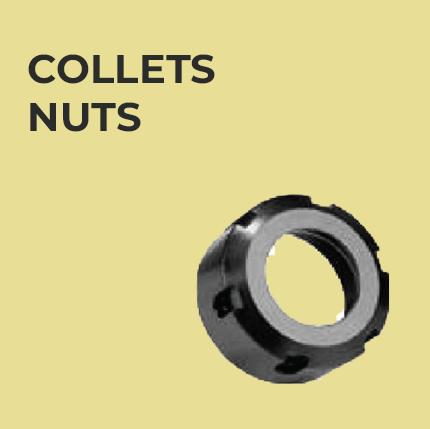
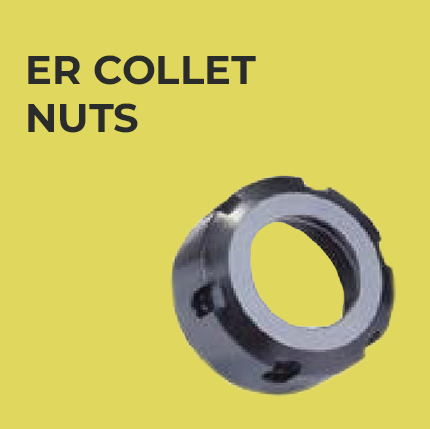
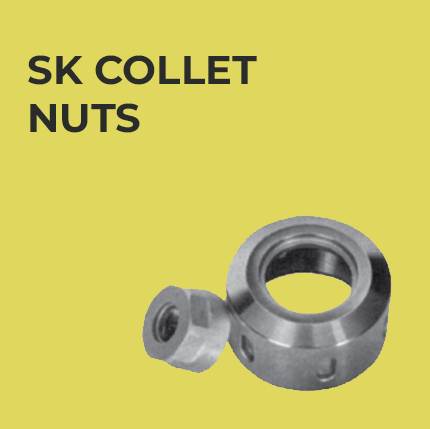
A collet nut is the fastening component that secures the collet inside a tool holder. When tightened, it compresses the collet evenly around the tool shank, ensuring firm and precise clamping.
High-quality collet nuts - supplied by a reliable collet nut manufacturer in India - offer several performance benefits:
-
Reduced runout and improved concentricity
-
Strong and consistent clamping force
-
Longer cutting tool life
-
Lower vibration during machining
For shops sourcing tooling from a trusted precision tools supplier in India, collet nut quality is just as important as the collet itself.
2. CNC Milling vs. CNC Turning – An Overview
Before comparing collet nuts, it’s important to understand how milling and turning operations differ.
CNC Milling
-
Uses rotating cutting tools
-
Workpiece remains stationary
-
High-speed, multi-axis operations
-
Requires strong, vibration-resistant clamping for end mills, drills, and reamers
CNC Turning
-
Uses stationary cutting tools
-
The workpiece rotates at high speed
-
Ideal for cylindrical components
-
Requires stable tool holding, especially in live tooling applications
Because of these operational differences, CNC tools suppliers in India recommend different collet nut designs for milling and turning.
3. Collet Nuts in CNC Milling
CNC milling involves high spindle speeds and significant lateral cutting forces. As a result, collet nuts used in milling must deliver excellent balance, low runout, and vibration control.
Key Features of Milling Collet Nuts
-
Anti-vibration design to reduce chatter
-
Precision-balanced construction for high-speed spindles (20,000 RPM and above)
-
Coolant-through capability for better chip evacuation and tool cooling
-
Compatibility with standard ER collet systems (ER11, ER16, ER20, ER32, ER40)
Leading CNC tools manufacturers in India design milling collet nuts with strict balance and runout tolerances to meet modern machining demands.
Best Applications
-
High-speed CNC milling
-
Precision drilling and reaming
-
Multi-axis machining centers
4. Collet Nuts in CNC Turning
Turning operations - especially on CNC lathes with live tooling - place different demands on collet nuts. Here, stability and torque resistance are more important than extreme high-speed balance.
Key Features of Turning Collet Nuts
-
High torque resistance to withstand radial and axial forces
-
Rigid clamping design to prevent tool movement during long cycles
-
Heat-resistant construction for extended machining operations
-
Coolant-sealed options to protect against chip and coolant ingress
Many precision tools manufacturers in India offer specialized turning collet nuts designed specifically for lathe and live-tooling applications.
Best Applications
-
CNC turning centers with live tooling
-
Long-cycle turning operations
-
Boring, drilling, and light milling on lathes
5. Key Differences Between Milling and Turning Collet Nuts
|
Factor |
Milling Collet Nuts |
Turning Collet Nuts |
|
Cutting Forces |
High lateral forces |
Radial + axial forces |
|
Speed Requirements |
Very high RPM (20,000+) |
Moderate RPM |
|
Clamping Focus |
Anti-vibration & precision |
Rigidity & torque resistance |
|
Coolant Use |
Often coolant-through |
Sealed or external coolant |
|
Common Systems |
ER11 – ER40 |
ER & turning-specific collets |
|
Primary Goal |
Low runout |
Maximum stability |
Understanding these differences helps buyers choose the right solution from a reliable CNC tools supplier in India.
6. Choosing the Right Collet Nut for Milling or Turning
When selecting a collet nut, consider:
-
Machine type (milling center or turning center)
-
Spindle speed and balance requirements
-
Tool type (end mill, drill, reamer, boring bar)
-
Coolant system (dry, mist, or through-coolant)
-
Tolerance requirements for the final part
Pro Tip: Always pair your collet nut with high-quality ER collets and holders from a trusted precision tools supplier in India. Mixing low-quality components can significantly increase runout and reduce tool life.
7. Common Mistakes to Avoid with Collet Nuts
-
Using the same collet nut for both milling and turning
-
Over-tightening, which can damage collets and tools
-
Ignoring cleanliness - chips and dust affect concentricity
-
Using unbalanced collet nuts for high-speed milling
-
Failing to replace worn or damaged collet nuts
Experienced CNC tools manufacturers in India often stress preventive replacement to maintain machining accuracy.
Conclusion
Although milling and turning collet nuts may appear similar, their performance requirements are fundamentally different. Milling demands balanced, anti-vibration, high-speed collet nuts, while turning requires rigid, torque-resistant, and heat-stable designs.
By choosing the correct collet nut - sourced from a reliable collet nut manufacturer in India - machine shops can achieve:
-
Longer tool life
-
Better surface finish
-
Higher machining accuracy
-
Reduced downtime and rework
Investing in the right collet nut is a small decision that delivers long-term gains in productivity, precision, and shop-floor reliability.
Upgrade Your Toolholding Performance with Accu-Fix!
Don’t let an overlooked component limit your machining results. Accu-Fix Precision Tools manufactures high-quality collet nuts engineered for both milling and turning applications - delivering balance, rigidity, and long-term reliability.
Explore our range of precision collet nuts or connect with our technical team to find the right solution for your machine and application.
Related Products


Testimonial

Aryan Patidar
ER collet from Accu-fix precision tools provides secure grip on the workpiece ensuring perfect clamping during the machining performance. 100% recommended
Ayush Pal
Just the best tool holders, accu-fix's products are totally worth it. They provide high-precision performance for my cutting operations.
Jenil Patel
The er collet from the Accu-fix Precision Tools are the best. Provide high-clamping force during the operation. Highly recommended. So happy from their er collet I totally loved it.
Meet Rathod
Best er collet manufacturer in India. Totally love their products. Tool holders, turret sleeves and more.
Table of Content
- Introduction
- 1. What Is a Collet Nut?
- 2. CNC Milling vs. CNC Turning – An Overview
- 3. Collet Nuts in CNC Milling
- 4. Collet Nuts in CNC Turning
- 5. Key Differences Between Milling and Turning Collet Nuts
- 6. Choosing the Right Collet Nut for Milling or Turning
- 7. Common Mistakes to Avoid with Collet Nuts
- Conclusion
Why choose us?
Accu-Fix Precision Tools is an ISO-certified manufacturer and exporter in India delivering high-performance tools for industries like automotive, aerospace, and woodworking.
We offer a wide range of precision-engineered products like Collets, Tool Holders, Turret Sleeves, Jaws, Pull Studs, and Spanners.
- Premium materials & precision
- Trusted across industries
- ISO-certified quality
- Dedicated customer support
We deliver more than tools — we deliver reliability you can trust.
Related Products
Related Blogs

Top Mistakes to Avoid While Using Collet Nuts in CNC...

Maintenance Tips for CNC Revolving Live Centers to Extend Tool...
High-performance CNC machining requires dependable CNC Revolving Live Centers to ensure stable turning operations and accurate machining results. Regular inspection...

How to Choose the Right Collet Nut for Your CNC...

Applications of CNC Revolving Live Centers in High-Speed Machining

What Are Collet Nuts? A Complete Guide for CNC Machinists




 Twitter