- No products in the cart.





















 FREE SHIPPING
Top-Rated CNC Tooling Suppliers for Precision Milling: What to Look For


19
Sep
Precision milling depends on more than the machine and cutting tool. The connection between the spindle and cutter has a direct influence on runout, rigidity, vibration, tool life and the finish produced on every component. That makes the tooling supplier an important part of any reliable machining process.
If you are comparing top-rated CNC tooling suppliers for precision milling, do not rely on a label alone. A useful supplier evaluation should be based on measurable product specifications, machine compatibility, manufacturing controls, product availability and knowledgeable application support.
This guide explains the most important selection criteria, compares common milling-holder technologies and shows how to specify the right CNC tooling solution for your machining requirement.
What Makes a CNC Tooling Supplier Suitable for Precision Milling?
A supplier may carry hundreds of products, but range alone does not prove that its tooling is suitable for precision work. Buyers should assess the complete toolholding system—from the machine-spindle interface to the holder, collet, nut, pull stud and cutting tool.
Use these criteria when building a shortlist.
1. Clear Runout and Concentricity Information
Runout describes how far the rotating tool deviates from its intended axis. Excessive runout can load one cutting edge more heavily than the others, resulting in uneven wear, vibration, poor finish and reduced tool life. Ask the supplier for the applicable accuracy or runout specification and where it is measured.
The complete assembly matters. A precision holder cannot compensate for a damaged spindle taper, worn collet, contaminated contact surface or incorrectly assembled nut.
2. Rigidity Suited to the Operation
The holder must resist cutting forces without unnecessary deflection. Heavy roughing generally requires high gripping force and a rigid connection, while fine finishing may benefit from a holder that combines low runout with vibration damping. A capable precision milling tooling supplier should help match holder type and projection length to the cut.
3. Balance and Speed Suitability
At higher spindle speeds, imbalance can increase vibration and place additional load on spindle bearings. Confirm the holder's stated balancing information and maximum operating conditions for the exact assembly. Never assume that every holder in a product family is suitable for the same RPM.
4. Correct Spindle and Cutting-Tool Compatibility
The spindle interface, taper standard, gauge length, tool shank diameter, coolant method and pull-stud requirement must all match the machine and application. Compatibility should be confirmed from the machine-builder documentation rather than inferred from appearance.
5. Consistent Materials and Manufacturing Control
Toolholders experience repeated clamping cycles and rotational forces. Material selection, heat treatment, taper accuracy, grinding and inspection all contribute to repeatable performance. Look for a manufacturer that clearly identifies its business, production capabilities and quality-management approach.
6. A Complete, Compatible Product Range
Using related holder, collet, nut and retention components from a knowledgeable source can simplify selection and replenishment. It also gives purchasing and production teams one point of contact when an assembly needs to be checked.
7. Practical Technical Support
The best supplier is not simply the one with the largest catalogue. It is the one that asks about the machine, material, cutter, operation and speed before recommending a setup. Drawings, catalogues, selection guidance and accessible support reduce the chance of an expensive mismatch.
8. Verifiable Service and Delivery Terms
Confirm stock status, dispatch location, shipping coverage and expected lead time before planning production around a promised delivery. Independent customer feedback can be helpful, but it should be recent, relevant and considered alongside technical evidence.
CNC Tool Holder Types for Precision Milling
There is no single holder that is best for every milling operation. The right choice depends on cutting forces, finish requirements, speed, reach, tool diameter and frequency of tool changes.
| Holder Type | Common Precision-Milling Use | Main Selection Consideration |
|---|---|---|
| ER collet holder | General milling, drilling and multi-diameter flexibility | Use the correct collet range and assembly procedure; minimise unnecessary projection |
| Hydraulic tool holder | Finishing and applications that benefit from vibration damping | Confirm shank tolerance, reduction-sleeve compatibility and operating limits |
| Shrink-fit tool holder | High-speed work and restricted-access machining | Requires suitable heating equipment and controlled assembly procedures |
| Side-lock/end-mill holder | Roughing and applications needing positive shank retention | Set-screw engagement and added imbalance must suit the speed and tool shank |
| Power milling chuck | Heavy milling requiring strong grip and rigidity | Check compatible straight collets and required tightening procedure |
| Face-mill holder | Face milling and larger-diameter cutters | Verify pilot, drive keys, mounting dimensions and cutter compatibility |
ER Collet Holders: Versatile Shop-Floor Tooling
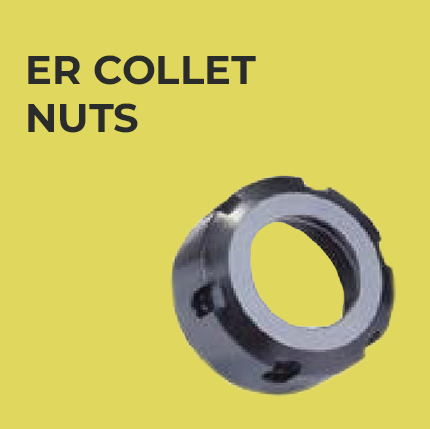
ER systems are widely used because one holder can accept several tool diameters through interchangeable collets. For good results, keep the collet and taper clean, use a sound nut, insert the tool to an appropriate depth and tighten according to the product guidance. Replace collets that are worn, damaged or no longer repeat accurately.
Hydraulic Holders: Damping for Finishing Operations
Hydraulic holders clamp the shank through controlled hydraulic pressure. They can be useful where surface quality, repeatability and damping are priorities. Buyers should confirm whether a reduction sleeve is required and whether the tool shank meets the specified tolerance.
Shrink-Fit Holders: Slim Access and High-Speed Potential
Shrink-fit technology uses controlled heating to expand the holder bore before the cutting tool is inserted. As the holder cools, it grips the shank. The compact nose can help with access, but safe, repeatable use requires compatible heating equipment, correct holder-tool sizing and disciplined handling.
Side-Lock Holders: Positive Retention for Demanding Cuts
A side-lock holder secures a tool through a flat on the shank. It is often considered for roughing or demanding cuts where positive retention is important. The assembly's speed suitability, projection and balance should still be reviewed before use.
How to Choose the Right Precision Milling Tooling
Before requesting a recommendation or quotation, document the application. A complete brief allows the supplier to narrow the options and identify incompatibilities early.
- Identify the machine interface. Record the spindle-taper standard and size, plus the machine make and model.
- Define the operation. State whether the job involves roughing, finishing, face milling, profiling, drilling or another process.
- Specify the workpiece material. Include the grade and condition when known.
- Provide cutter details. Share the cutter type, shank diameter, overall length and required reach.
- State the operating conditions. Include target RPM, feed, coolant delivery and any high-pressure coolant requirement.
- Set measurable priorities. List the required tolerance, surface finish, cycle-time goal and current problem, such as chatter or premature tool wear.
- Confirm the complete assembly. Check the holder, collet or sleeve, nut, pull stud and any setting or tightening equipment.
This information is more useful than asking only for the "best" holder. It gives the supplier enough context to recommend a technically appropriate and commercially sensible solution.
Why Consider ACCU-FIX for CNC Milling Tooling?
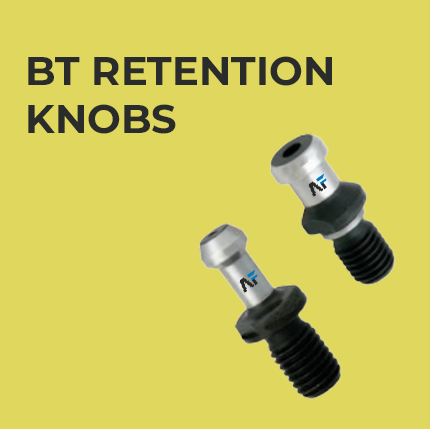
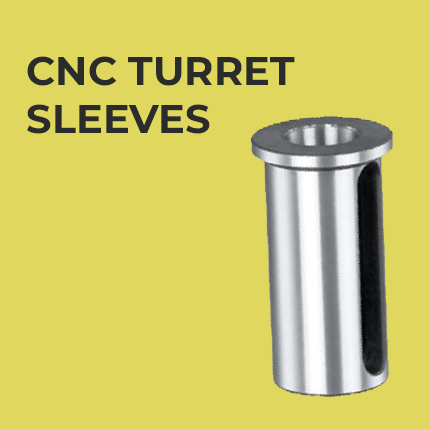
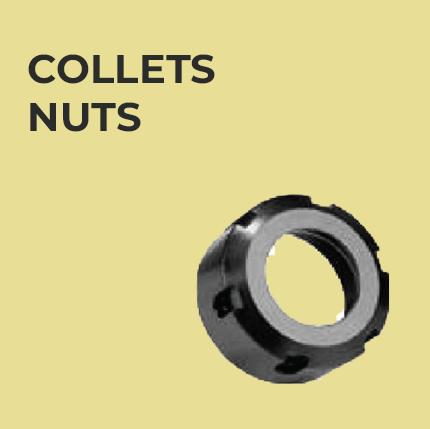
ACCU-FIX Precision Tools is an India-based manufacturer and exporter of precision tooling. Its published range includes collets, tool holders, pull studs or retention knobs, turret sleeves, jaws, collet nuts, spanners and tool-locking devices for machining applications.
For milling-toolholding requirements, buyers can explore:
- CNC tool holders, including ER, shrink-fit, hydraulic, side-lock/end-mill, face-mill and power-milling options
- Precision collets for a variety of machining and clamping applications
- ER collets and ER collet holders
- Shrink-fit tool holders for applications requiring a compact holder profile
- Hydraulic tool holders for suitable precision-machining applications
- The ACCU-FIX product catalogue for technical product selection
ACCU-FIX also states that it provides free shipping across India. Availability and delivery timing should be confirmed for the selected item and destination when ordering.
The term "top-rated" should always be supported by current, independent evidence. Rather than relying on an unsupported ranking claim, evaluate ACCU-FIX and every shortlisted supplier against your drawing, machine specification, test-cut results, technical documentation and service requirements.
Supplier Evaluation Checklist
Use this checklist before approving a CNC tool holders manufacturer in India or an overseas source:
- ☐Is the company a manufacturer, distributor or marketplace seller?
- ☐Does it publish the exact holder and accessory families you need?
- ☐Can it confirm spindle, cutter-shank and pull-stud compatibility?
- ☐Are runout, balance and operating limits available for the selected item?
- ☐Can it provide drawings, catalogues or product-selection support?
- ☐Does it explain correct assembly, tightening and maintenance?
- ☐Are quality controls and company details clearly stated?
- ☐Are stock, lead time, shipping and return terms confirmed in writing?
- ☐Can sample tooling be evaluated in a controlled machining trial?
- ☐Are customer reviews independent, recent and relevant to similar applications?
Improve Results After the Tooling Arrives
Even high-quality tooling must be handled correctly. Clean the spindle taper and holder before installation. Inspect contact surfaces for fretting, burrs and damage. Use compatible accessories, follow the recommended tightening method and avoid excessive tool projection. Establish an inspection interval for collets, nuts, pull studs and holders, and track tool life and finish by setup.
When investigating a milling problem, change one variable at a time. Check the spindle, cutting tool, workholding, program, cutting data and toolholder assembly rather than assuming the holder is the only cause.
Talk to ACCU-FIX About Your Application
The right toolholding package can support more consistent dimensions, surface finish and tool life - but it begins with correct application data. Share your machine interface, cutter dimensions, material, operation, speed and required reach with the ACCU-FIX team.
Browse ACCU-FIX tool holders or contact ACCU-FIX to discuss a precision-milling requirement.
Ready to specify the right toolholding package for your machine and application?
Browse Tool Holders → Contact ACCU-FIX →Frequently Asked Questions
What makes a CNC tooling supplier top-rated for precision milling?
A strong supplier should provide compatible tooling, clear technical information, consistent quality, useful application support and reliable fulfilment. Independent reviews and documented machining results can support the assessment, but buyers should verify claims for their own application.
Which tool holder is best for precision milling?
There is no universal best choice. ER holders offer flexibility, hydraulic holders can add damping, shrink-fit holders provide a slim profile, side-lock holders provide positive retention, and milling chucks offer high gripping force. Select according to the operation, speed, tolerance, reach and cutter shank.
How does runout affect precision milling?
Excessive runout can create unequal cutting-edge loads, accelerated wear, vibration and poor surface finish. Results depend on the complete system, including the spindle, holder, collet, nut, cutting tool, cleanliness and assembly practice.
Are hydraulic or shrink-fit holders better for finishing?
Both can suit finishing work. Hydraulic holders are often selected for damping and convenient tool changes, while shrink-fit holders can provide a slim profile and strong concentric clamping. Machine access, RPM, tool size, process stability and available equipment should guide the choice.
What details should I send to a CNC tooling supplier?
Send the machine make and model, spindle interface, operation, workpiece material, cutter and shank dimensions, required reach, target RPM, coolant method, tolerance and finish requirement. Mention any current issue such as chatter, runout or short tool life.
Does ACCU-FIX manufacture tooling for precision milling?
ACCU-FIX describes itself as an Indian manufacturer and exporter of precision tooling. Its online range includes collets and multiple tool-holder types used in milling applications. Confirm the specification and suitability of the selected product with ACCU-FIX before ordering.
How can I order ACCU-FIX CNC tooling?
Buyers can browse products at accufixtools.com or use the contact page for product-selection and order assistance.
Table of Content
- What Makes a CNC Tooling Supplier Suitable for Precision Milling?
- CNC Tool Holder Types for Precision Milling
- How to Choose the Right Precision Milling Tooling
- Why Consider ACCU-FIX for CNC Milling Tooling?
- Supplier Evaluation Checklist
- Improve Results After the Tooling Arrives
- Talk to ACCU-FIX About Your Application
- Frequently Asked Questions
Why choose us?
Accu-Fix Precision Tools is an ISO-certified manufacturer and exporter in India delivering high-performance tools for industries like automotive, aerospace, and woodworking.
We offer a wide range of precision-engineered products like Collets, Tool Holders, Turret Sleeves, Jaws, Pull Studs, and Spanners.
- Premium materials & precision
- Trusted across industries
- ISO-certified quality
- Dedicated customer support
We deliver more than tools — we deliver reliability you can trust.
Related Products
Related Blogs

What Are CNC Machine Tools? Types, Functions & Applications

CNC Machine Tools Manufacturer in India: Precision Tooling by ACCU-FIX

Why High-Speed CNC Tools Are Growing Fast in 2026

How Modern CNC Tools Are Improving Manufacturing in 2026

Top Mistakes to Avoid While Using CNC Revolving Live Centers